CLE History · Rock & Soul
From Alan Freed's 1951 broadcasts on WJW to the glass pyramid on the lakefront — how Cleveland's radio waves, concert halls, and civic ambition shaped American popular music.
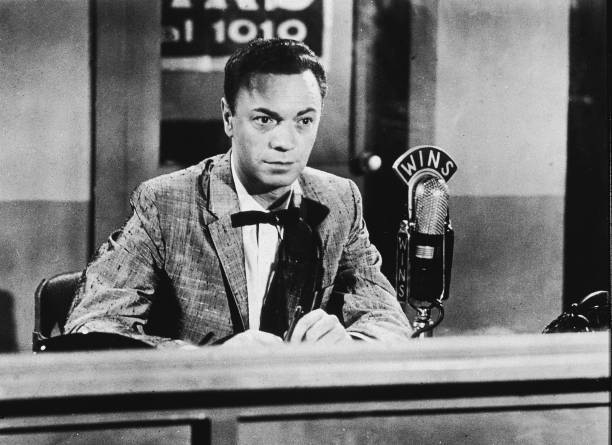
Rock and roll has more than one birthplace, but Cleveland has a reasonable claim to being the city that named it. In July 1951, a 29-year-old WJW radio disc jockey named Alan Freed began broadcasting an after-hours program of rhythm-and-blues records aimed at a white teenage audience. He called the music — and himself — "Moondog." Within a year, he was calling the music "rock and roll," and a generation of American teenagers was listening.
Freed had arrived at WJW in 1951 from WAKR in Akron, hired to play classical music. He did that for a few months, and might have continued, had a local record-store owner named Leo Mintz not asked him to come by the Record Rendezvous on Prospect Avenue. Mintz wanted Freed to watch what was happening: young white kids, by the dozens, buying rhythm-and-blues records and dancing to them in the aisles. The records were selling; nobody was playing them on the radio. Freed agreed to try.
His show, The Moondog Show, went on the air July 11, 1951, broadcasting from 11:15 p.m. to 1 a.m. six nights a week. Freed played Fats Domino, Ruth Brown, Joe Turner, Ivory Joe Hunter, the Dominoes, and dozens of other R&B acts that were not being heard on mainstream radio. He called the music "rock and roll" — a phrase that already existed in the R&B lyric vocabulary as euphemism — and he meant it as a brand, a way of making music that had been categorized as "race records" palatable to the mainstream audience.
By late 1951 the show had the largest teenage audience in northeastern Ohio, racially mixed in a way that made radio executives profoundly uncomfortable. It was this success that made the Moondog Coronation Ball possible — and made Freed's eventual departure for New York's WINS in 1954 inevitable.
Primary Source Event
On March 21, 1952, Alan Freed and Record Rendezvous owner Leo Mintz promoted a dance at the Cleveland Arena, scheduling five acts including Paul Williams and his Hucklebuckers. They printed 10,000 tickets. They should have printed twice as many. Somewhere between 20,000 and 25,000 people (accounts vary) showed up, many without tickets.
The Arena held 10,000. Fire marshals shut the event down after the first song of the first act. The overflow crowd outside broke through the doors. What followed was brief, frightening, and historically transformative: for the first time, a promoted concert had to be cancelled because its teenage, racially integrated audience had vastly exceeded the capacity of the venue.
It is widely described as the first rock and roll concert. It was also the first one that the establishment had to reckon with. Freed became, overnight, the most famous disc jockey in the United States. Within two years he was in New York. Within five he was on national television. The Moondog Coronation Ball is the hinge on which American popular music began to turn.
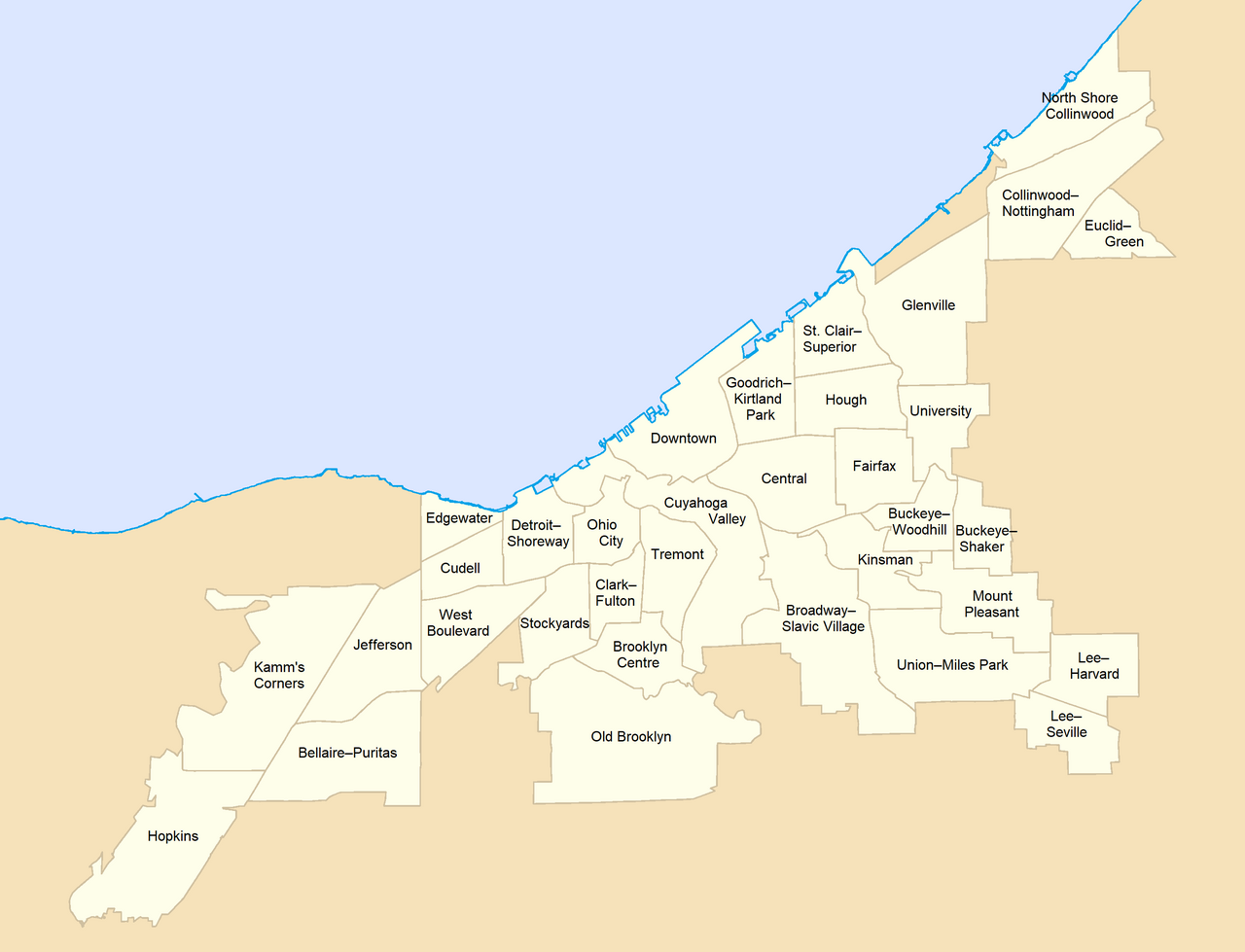
Freed's Cleveland showcased rhythm and blues from elsewhere. But the city also produced its own R&B and soul tradition, rooted in the churches of Hough, Glenville, and the central east-side neighborhoods. The O'Jays formed in Canton and broke through in Cleveland. The Outsiders and Dazz Band emerged from east-side communities. Joe Walsh formed the James Gang in Kent. Bobby Womack grew up in Cleveland singing with his brothers in the Womack Brothers gospel group before breaking into soul stardom.
The local club scene supported a dense circuit of talent from the 1950s through the 1970s. Leo's Casino at East 75th and Euclid — owned and run by a Jewish proprietor in a predominantly Black neighborhood — hosted Otis Redding's final American performance on December 9, 1967, the night before his fatal plane crash. Marvin Gaye, Aretha Franklin, Stevie Wonder, and nearly every major Motown act came through Leo's in the late 1960s.
Cleveland's second great chapter in American popular music was not about rhythm and blues — it was about album-oriented rock. WMMS 100.7 FM, the radio station that adopted a cartoon buzzard as its mascot in 1974, spent the 1970s and 1980s as one of the most influential rock stations in the country. Its program directors — John Gorman, Denny Sanders, Kid Leo — broke acts that national radio ignored and made Cleveland a critical early market for artists on their way up.
Bruce Springsteen, David Bowie, Roxy Music, and Rush all credited WMMS with early and consequential airplay. Springsteen's 1975 concert at the Agora Ballroom (broadcast live on WMMS) became one of the most widely bootlegged rock performances of the 1970s and is often cited as the moment he broke through to a mass audience. In the 1980s the station's World Series of Rock concerts at Cleveland Municipal Stadium regularly drew 80,000 people.
When the Rock and Roll Hall of Fame Foundation was incorporated in 1983, the question of where to locate the eventual museum was not obvious. Memphis, New York, Philadelphia, and Detroit all had legitimate claims. Cleveland's case rested on its radio history (Alan Freed, WMMS), the Moondog Ball, and a civic campaign of improbable intensity: a petition drive that gathered 600,000 signatures in a metropolitan area of 2 million; fundraising commitments from the city government, the state of Ohio, and the private sector totaling more than $65 million; and a sustained lobbying campaign of the selection committee.
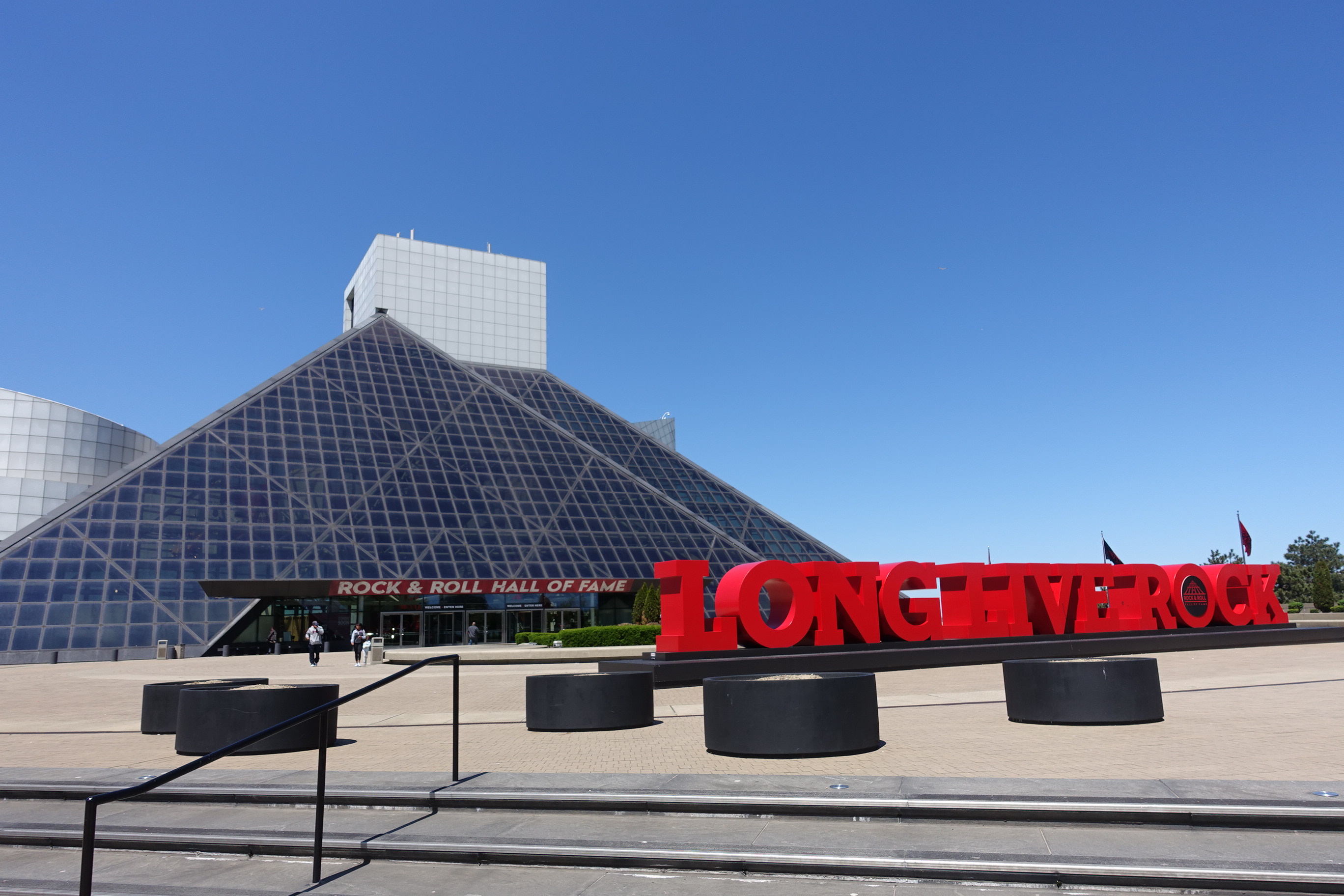
In 1986 the committee selected Cleveland. The Hall broke ground in 1993 on a seven-acre site on North Coast Harbor — landfill extending into Lake Erie. I.M. Pei designed the building: a 150,000-square-foot complex centered on a glass pyramid jutting toward the water, a deliberate echo of the Louvre pyramid Pei had completed in 1989. The Rock Hall opened to the public on September 2, 1995, with an all-night concert at Cleveland Municipal Stadium that featured Bruce Springsteen, Chuck Berry, Aretha Franklin, and James Brown.
It has since drawn more than ten million visitors and has inducted over 350 artists. It is also the anchor of Cleveland's North Coast cultural corridor and, arguably, the single event around which the city's late-20th-century civic identity turned.
Site of the Moondog Coronation Ball, March 21, 1952. Demolished 1977.
The premier Black soul and R&B club of the era. Hosted Otis Redding's final performance, December 9, 1967.
Bruce Springsteen's 1975 broadcast here entered rock lore; the venue continues to host touring acts.
A converted Slovenian social hall in Collinwood, now one of the most influential indie venues in the Midwest.
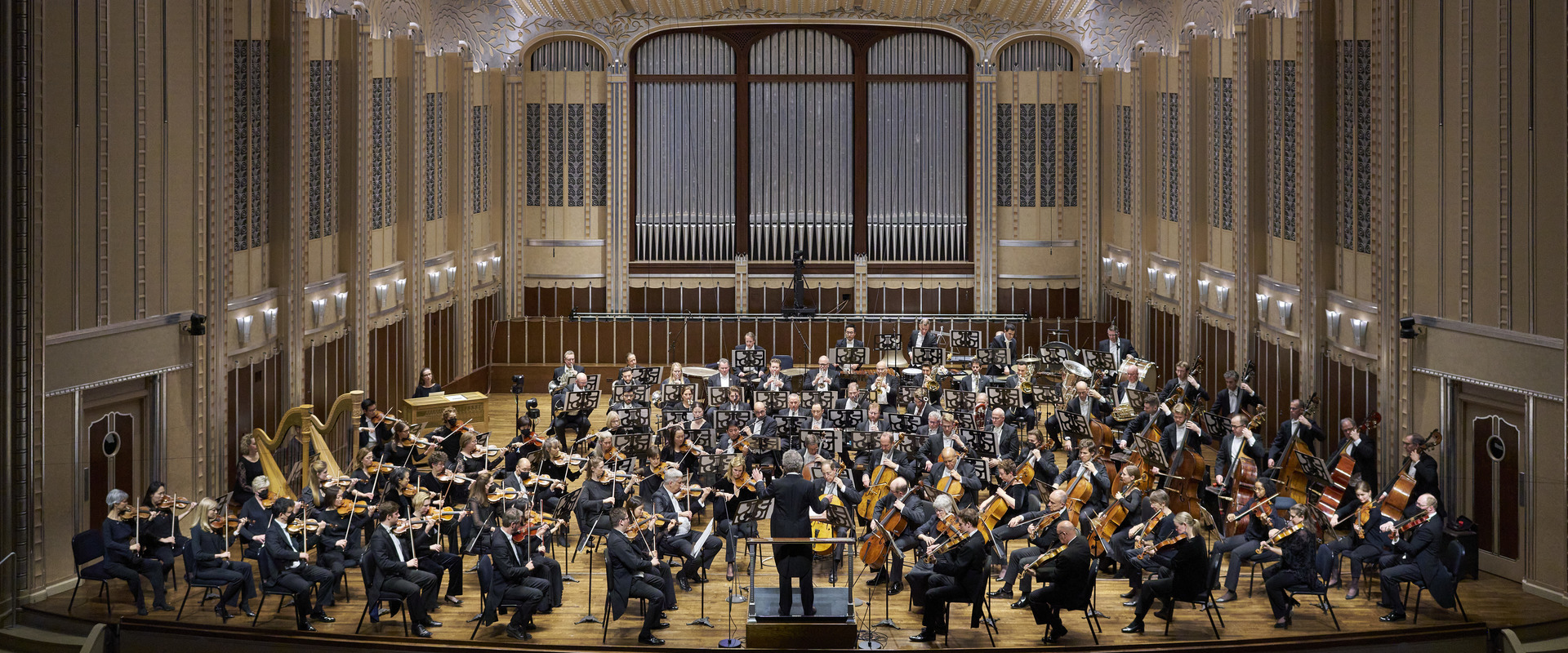
Home of the Cleveland Orchestra since 1931; one of the finest acoustical venues in the world.
The Cleveland Orchestra's summer home in Cuyahoga Falls, and a major amphitheater venue.
The Archive
Every street, every fire, every forgotten face. The stories that don't make the headlines are often the ones worth keeping.