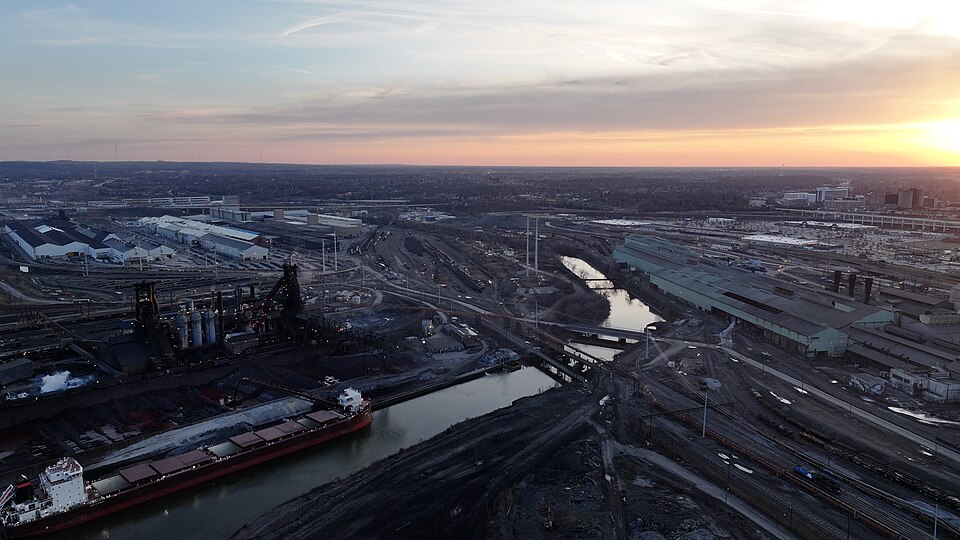
c. 1830s–1850s
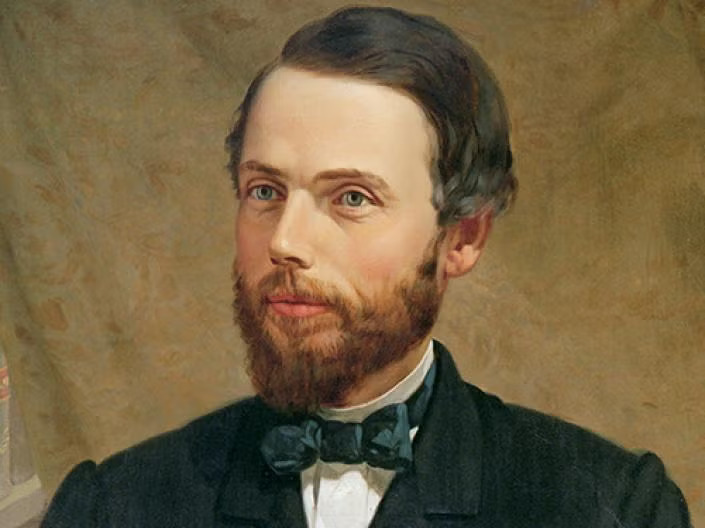
Portrait
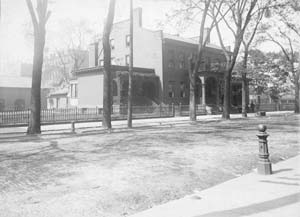
Residence
Leonard Case Jr.
A prominent Cleveland philanthropist and scholar, Case accumulated vast real estate holdings and civic influence across the city's formative decades. He is best known for endowing the Case School of Applied Science, the institution that would eventually become part of Case Western Reserve University, leaving a legacy rooted not in smokestacks, but in the education of future generations.
Superior St. at Bank St. · Rockwell Ave. at Wood St.
From 1829 to 1859, Case lived in a small house on Superior Street near the corner of Bank Street (today's West 6th), while he and his father steadily accumulated their fortune. In 1856, as his wealth matured, he moved into a double brick house on Rockwell Avenue at the corner of Wood Street, a more substantial address that reflected his standing as one of Cleveland's foremost early proprietors.
Read More →
c. 1847–1870s
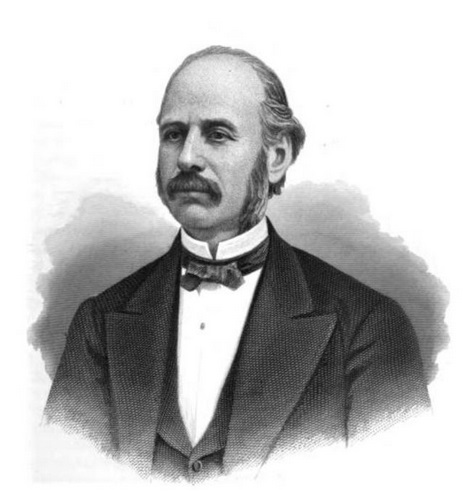
Portrait
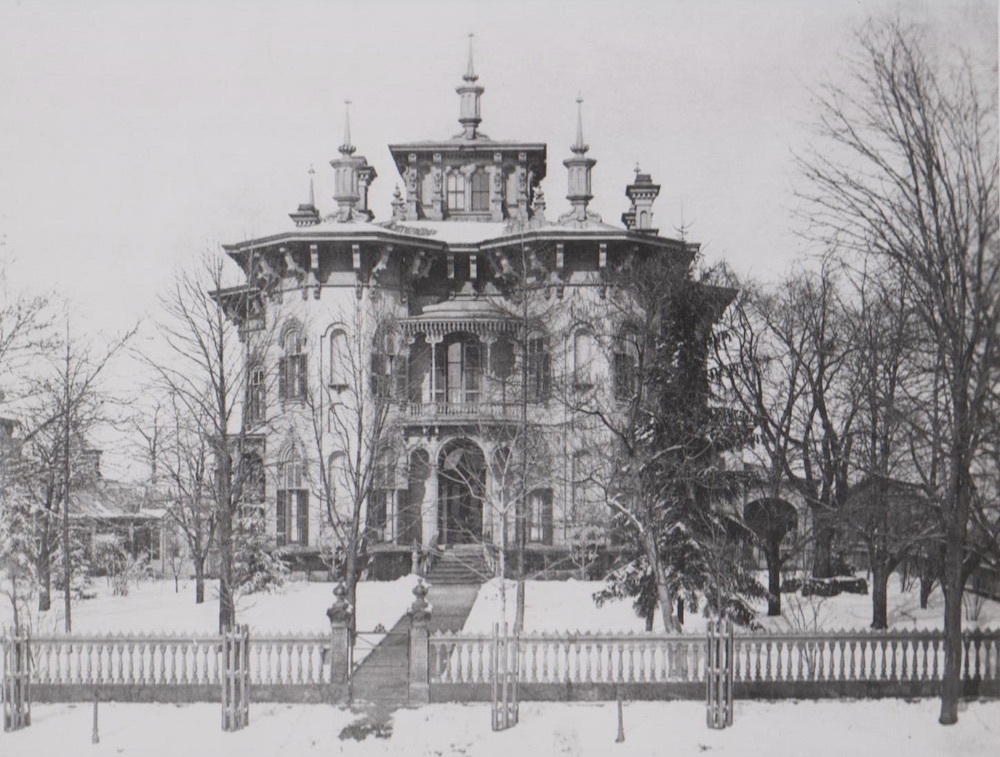
Residence · 1255 Euclid Avenue
Amasa Stone
Railroad magnate and builder, Stone brought the Cleveland, Painesville & Ashtabula Railroad to fruition and wielded enormous influence over Northeast Ohio's rail network, laying the physical foundation for Cleveland's industrial dominance.
Millionaires' Row · 1255 Euclid Avenue
Stone's mansion stood at 1255 Euclid Avenue, among the grandest addresses on the Row. His daughter Clara later married John Hay, Lincoln's former secretary and future Secretary of State under McKinley, cementing the family's place in national life as well as Cleveland society.
Read More →
c. 1860s–1890s
Portrait
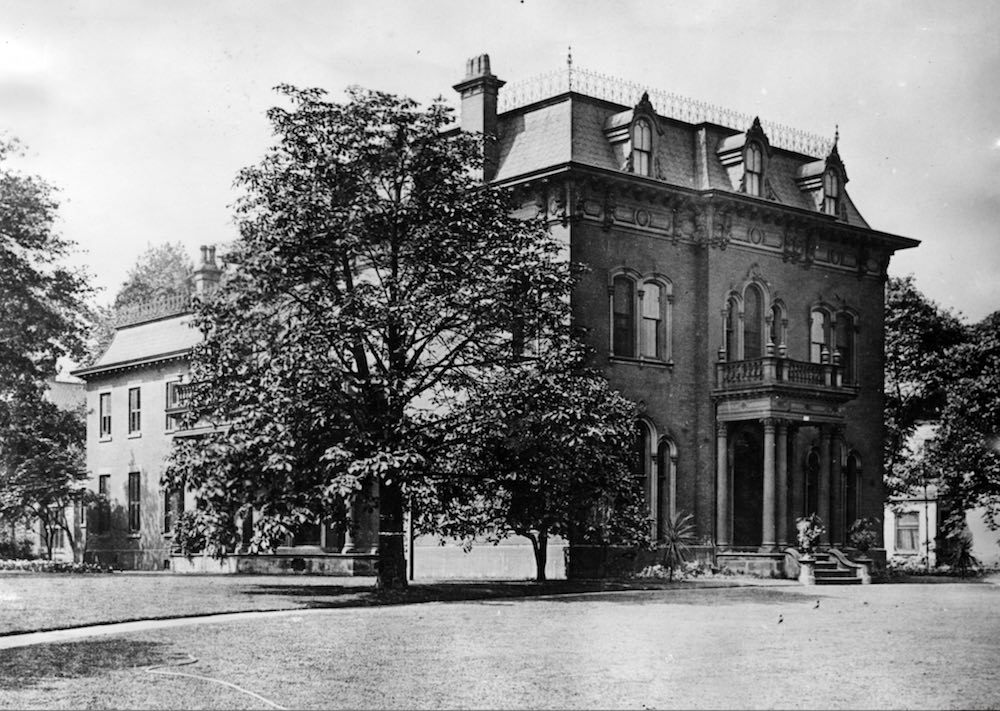
Residence · 3920 Euclid Avenue
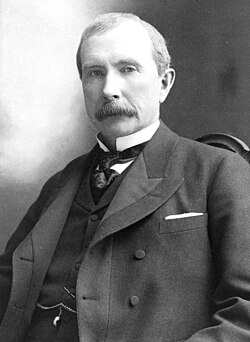
John D. Rockefeller
The man who centralized the world's oil industry started right here. Rockefeller founded Standard Oil in 1870, utilizing Cleveland's rail and water access to build the most powerful monopoly in American history.
Millionaires' Row · 3920 Euclid Avenue & Forest Hill, East Cleveland
Rockefeller's Cleveland home stood at 3920 Euclid Avenue, placing him among the titans who made that boulevard the most storied street in 19th-century America. His summer retreat, the Forest Hill estate in East Cleveland, was a sprawling 700-acre property he later opened to the public, a rare philanthropic gesture from the world's wealthiest man.
Read More →
c. 1870s–1910s
Portrait
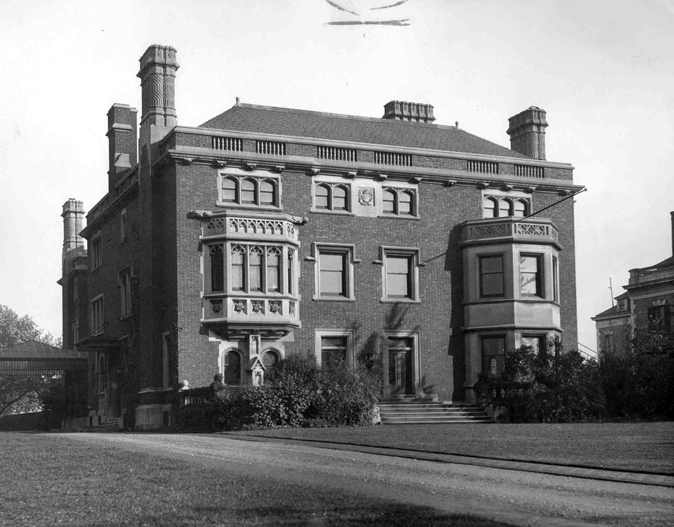
Residence · 2605 Euclid Avenue
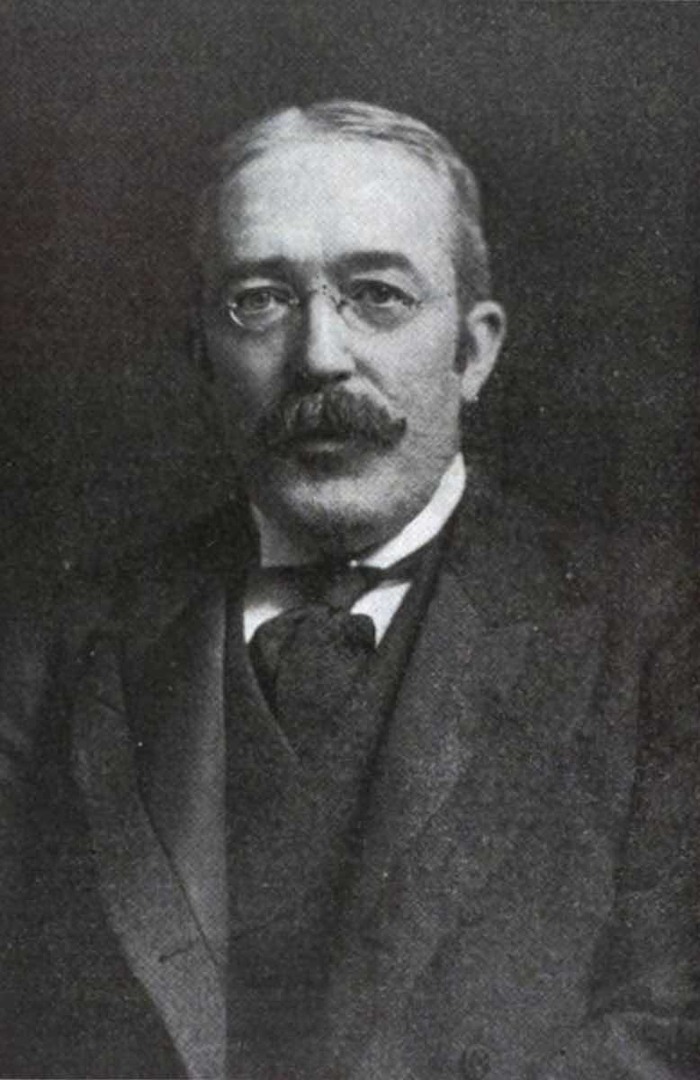
Samuel Mather
As co-founder of Pickands Mather & Co., Mather was a towering figure in the iron ore trade. His fleet of Great Lakes ore carriers made Cleveland the logistical heart of American steel production.
Millionaires' Row · Euclid Avenue
Mather's home at 2605 Euclid Avenue was one of the most distinguished on the Row, a Romanesque Revival mansion that reflected both his wealth and his serious civic temperament. The house later became part of Cleveland State University's campus and still stands today.
Read More →
c. 1889–1957
Portrait
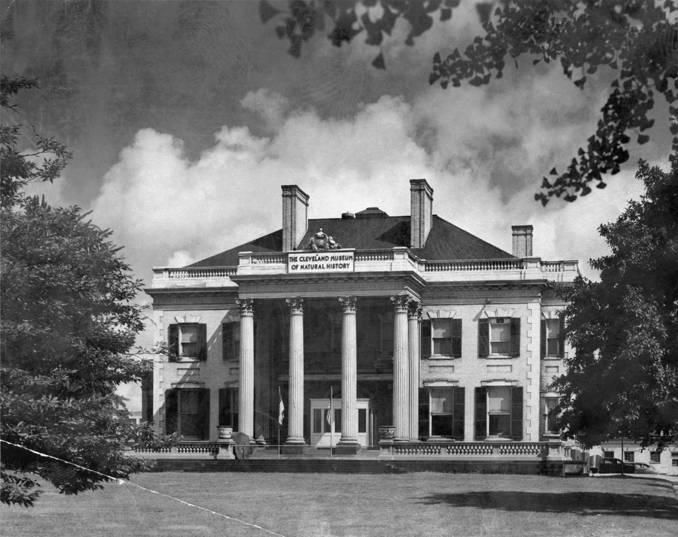
Residence · 2717 Euclid Avenue
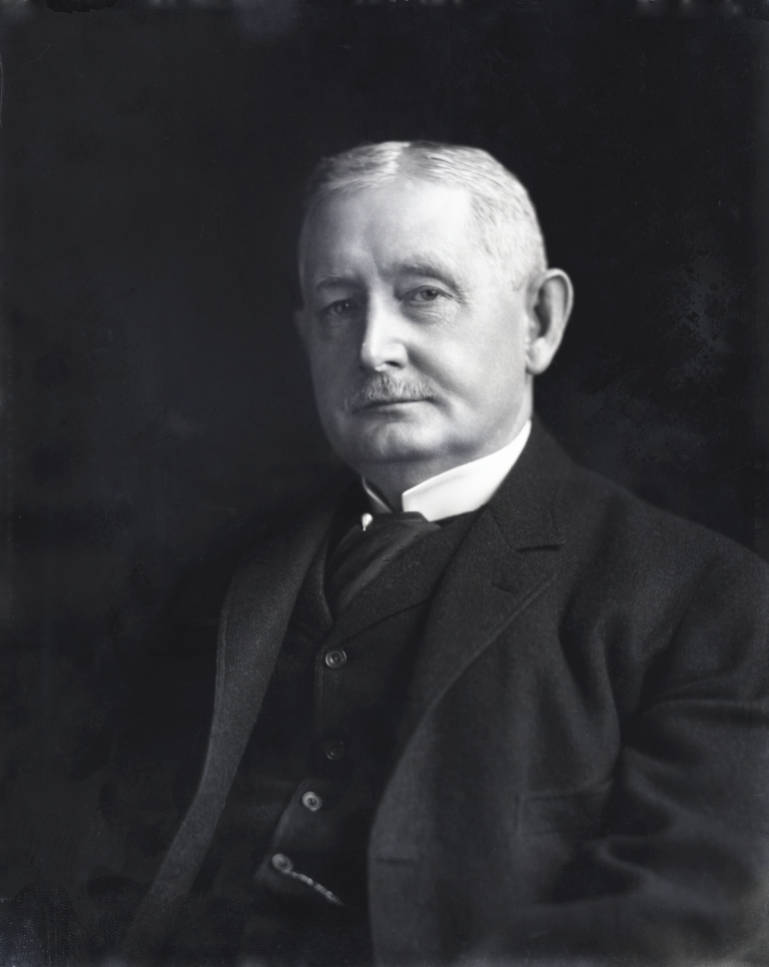
Leonard Hanna Jr.
Born into the Hanna family's coal, iron ore, and Great Lakes shipping fortune, built by his father and uncle Marcus A. Hanna through M. A. Hanna & Co., Leonard Jr. grew up in the family's 40-room mansion on Millionaires' Row and parlayed his inheritance into savvy investments that multiplied his wealth. Rather than expand an empire, he devoted his fortune to an extraordinary philanthropic legacy, contributing over $90 million to Cleveland's cultural institutions during his lifetime, including a bequest of more than $33 million to the Cleveland Museum of Art at his death.
Millionaires' Row · 2717 Euclid Avenue & Hilo Farm, Kirtland
Hanna grew up at his family's 40-room yellow-brick mansion at 2717 Euclid Avenue, one of the grandest addresses on the Row. In later life he built Hilo Farm in Kirtland, a 300-acre estate laid out in the style of an English feudal village, complete with a covered bridge, guest houses, and a stone structure dating to 1492 that he had shipped from England and reassembled on the grounds. He died there in 1957. The Euclid Avenue mansion was eventually given to house the original Cleveland Museum of Natural History.
Read More →
c. 1890s–1930s
Portrait
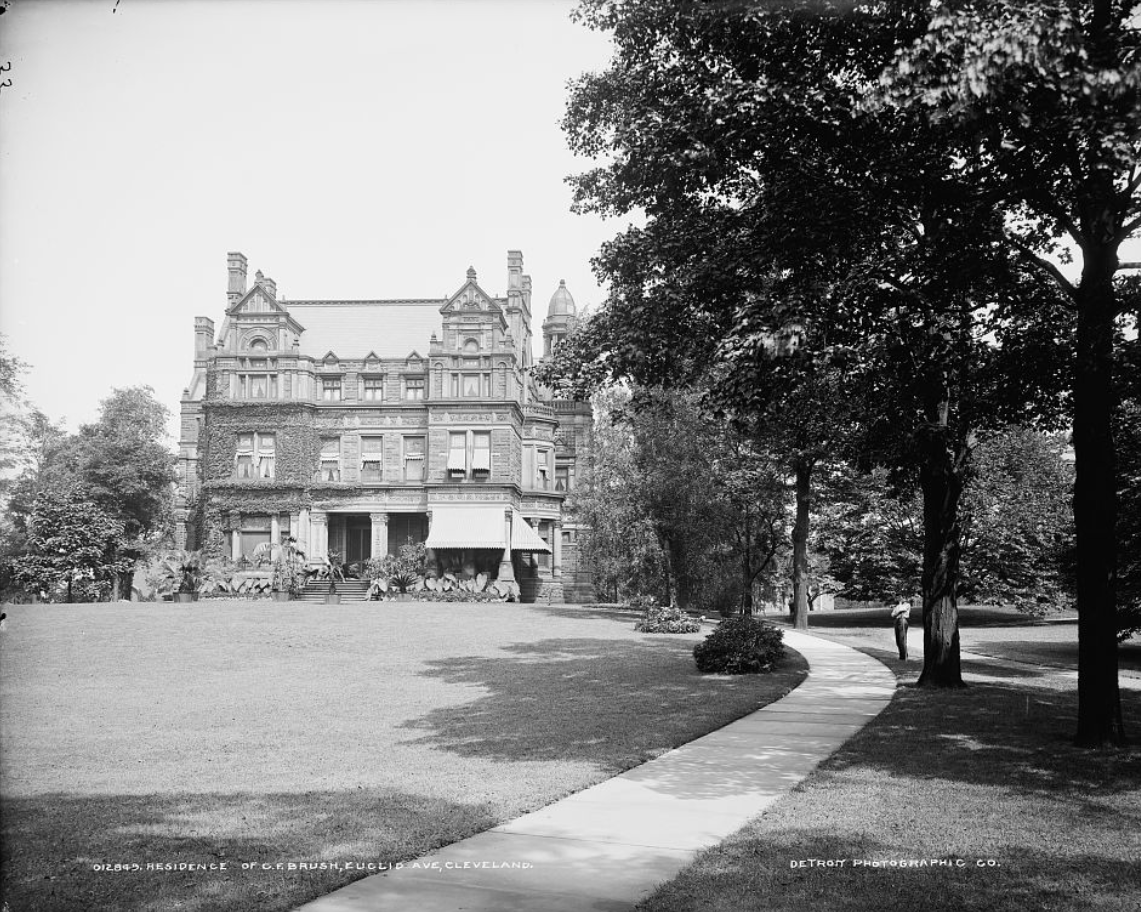
Residence · 3725 Euclid Avenue
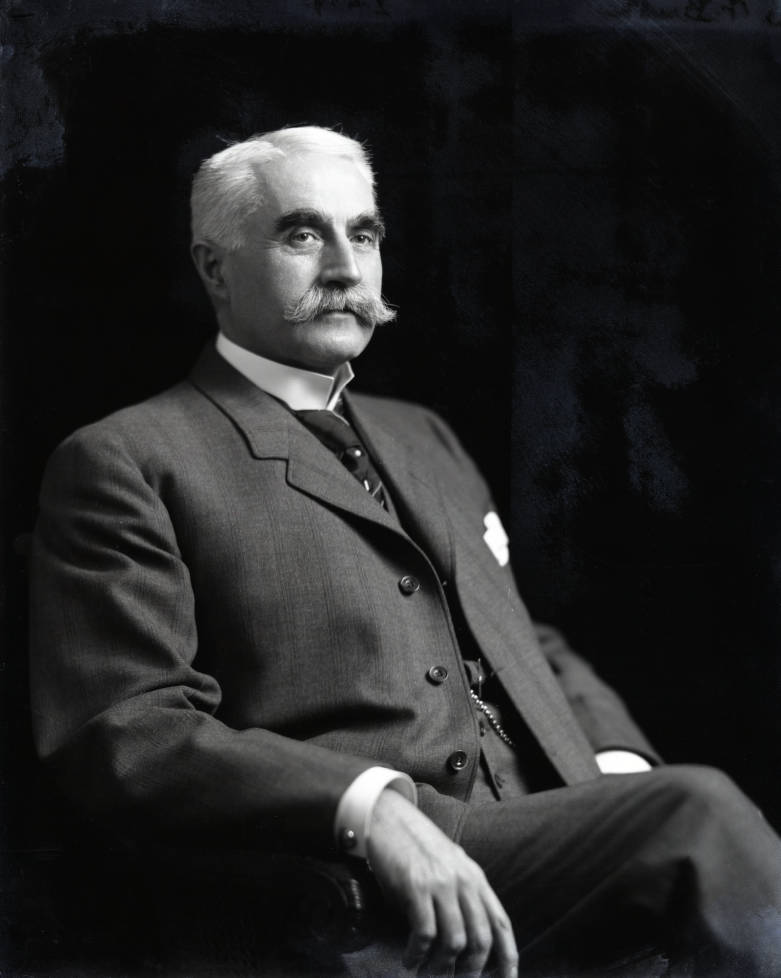
Charles F. Brush
Inventor of the practical arc lamp and founder of the Brush Electric Company, Brush quite literally lit up Cleveland and laid the groundwork for the electrical industry that would transform American manufacturing in the 20th century.
Millionaires' Row · 3725 Euclid Avenue
Brush built his turreted mansion at 3725 Euclid Avenue and powered it with his own private wind turbine, making it the first home in America lit entirely by wind-generated electricity. Neighbors reportedly marveled at its glowing windows on still nights when every other house on the Row was dark.
Read More →
c. 1900s–1940s

Portrait

Residence
Alexander Winton
Scottish-born engineer and pioneering automaker, Winton produced some of America's earliest automobiles in Cleveland and raced them to fame, making the Forest City a brief but serious rival to Detroit in the dawn of the automotive age.
Roseneath · 12700 Lake Avenue, Lakewood
In 1903, Winton completed Roseneath, a 25-room estate at 12700 Lake Avenue in Lakewood, overlooking Lake Erie. The name evoked his Scottish roots, and the scale of the house announced his arrival among Cleveland's industrial aristocracy on his own terms, away from the Euclid Avenue establishment and facing the open lake instead.
Read More →
c. 1910s–1950s

Portrait

Residence · Daisy Hill
Van Sweringen Brothers
Oris and Mantis Van Sweringen built Shaker Heights from farmland and constructed Terminal Tower, for decades the tallest building outside New York, reshaping Cleveland's skyline and its transit system in a single generation.
Roundwood Manor · Daisy Hill, Shaker Heights & Terminal Tower Suite
The brothers lived together their entire lives at Roundwood Manor on their Daisy Hill estate in Shaker Heights, the very suburb they had conjured from farmland. They also maintained a private suite at the top of Terminal Tower, their own downtown monument, allowing them to move between the city they built and the retreat they built to escape it. The estate was sold after their deaths to settle staggering debts left by the Depression.
Read More →